Brands and retailers are making more effort than ever before to draw in members of the LGBTQ+ community.
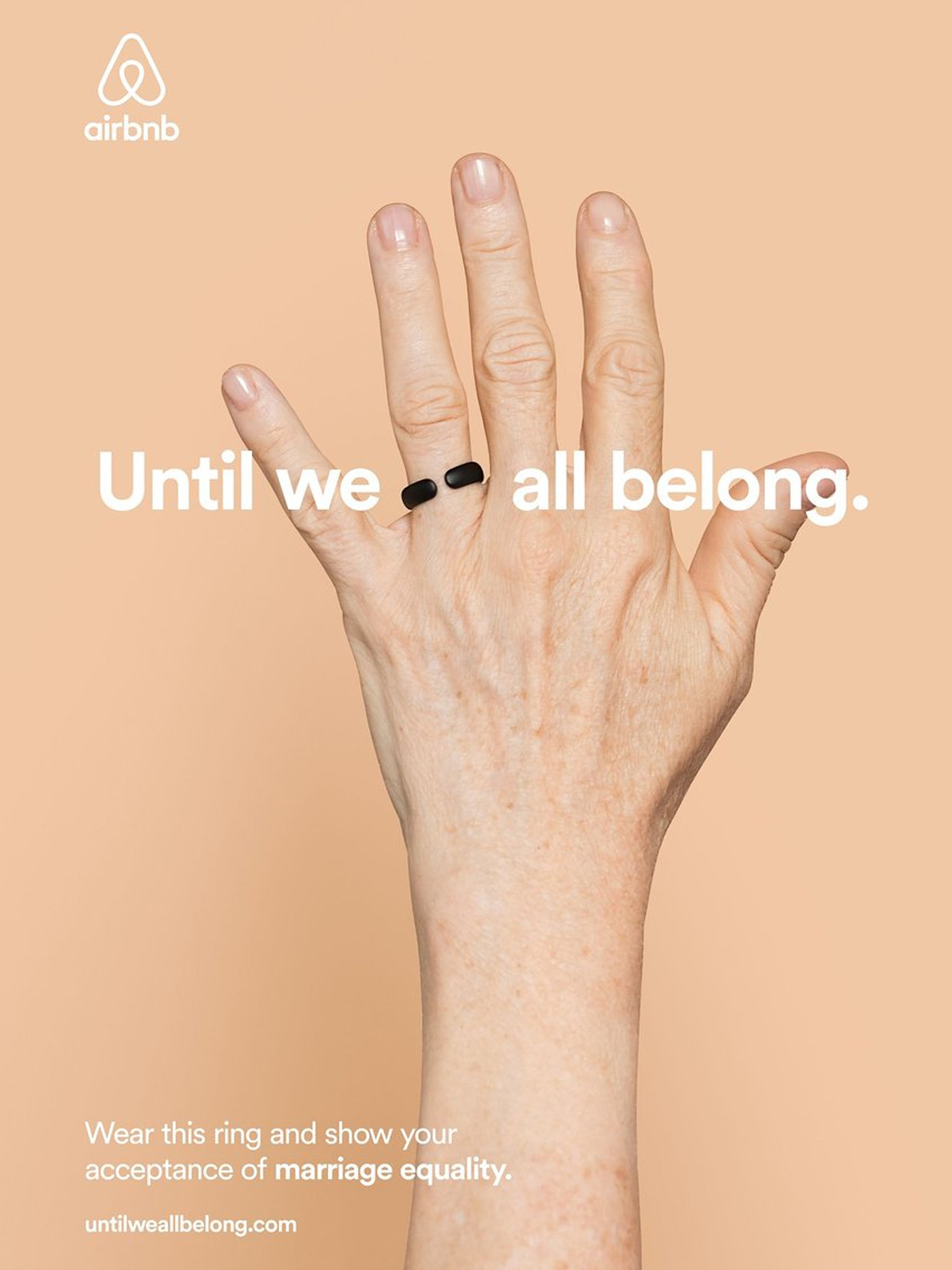
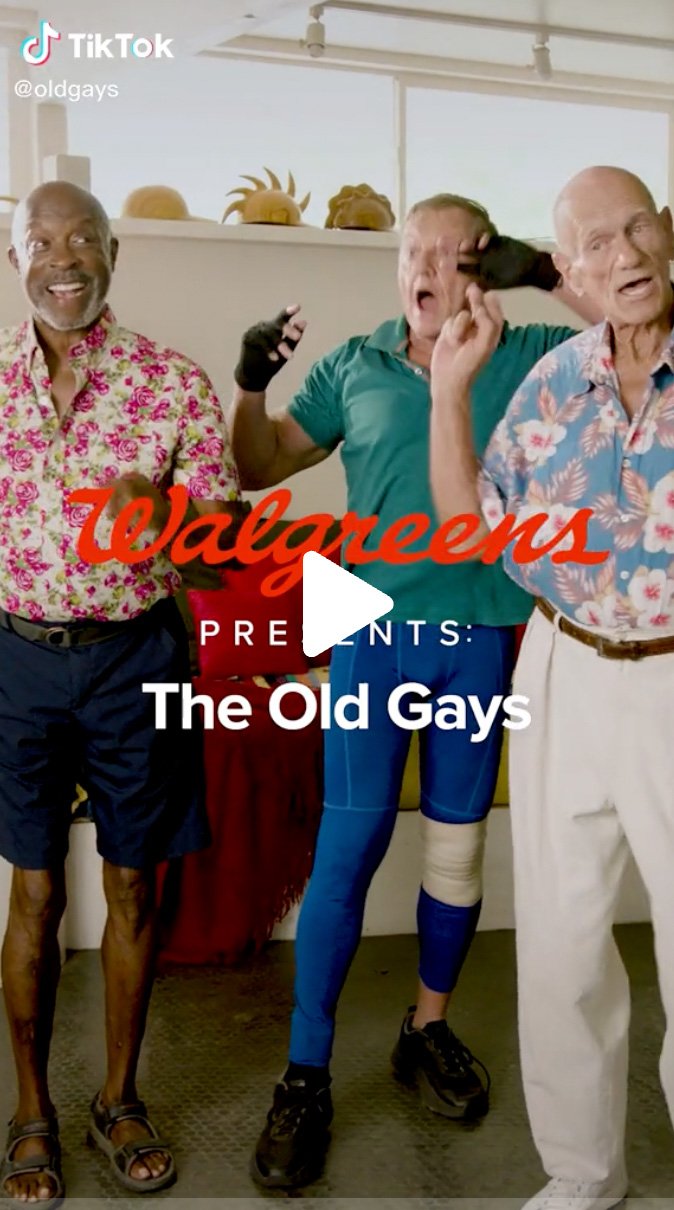
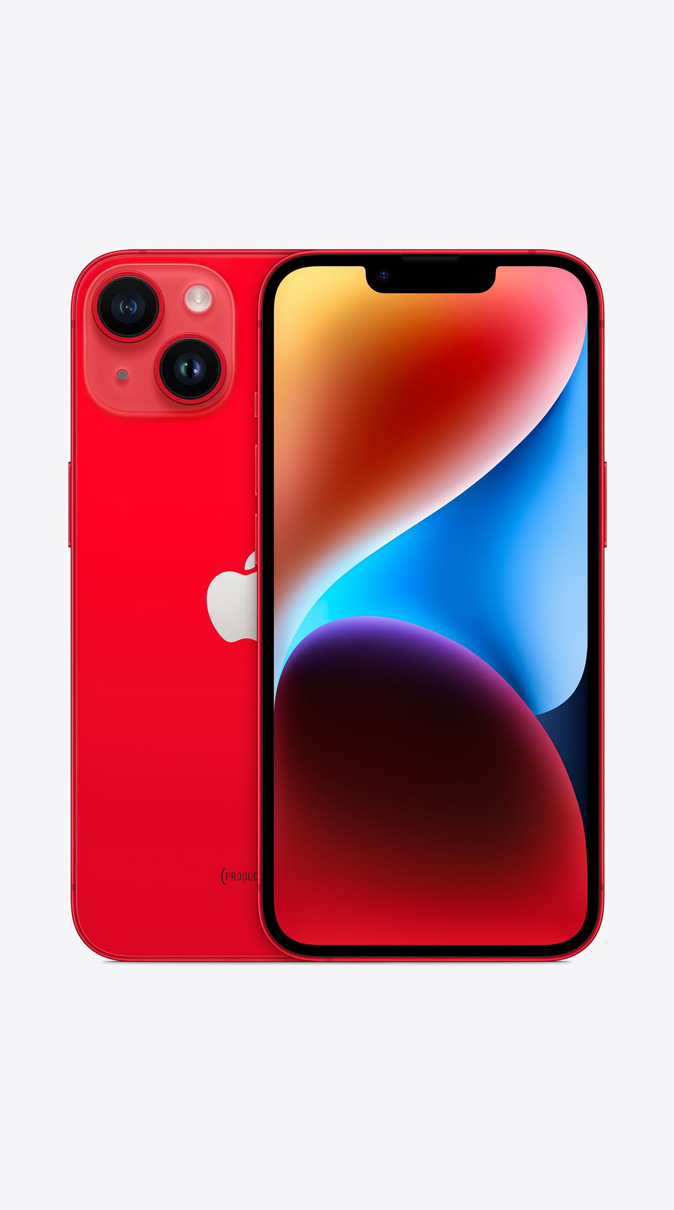
Starbucks, Mastercard and Savage x Fenty aren’t the only companies that have fostered good relationships with the LGBTQ+ community. Apple, Airbnb, Walgreens and others have proactively engaged with the community. What we see today is more brands than ever engaging with the LGBTQ+ community. However, brands still regard June as the de-facto Pride Month, even though global Pride events occur at all times in the calendar (International Pride Calendar 2023 / 2024 - Spartacus International Gay Guide, no date).
We can clearly see that there is an affinity to brands who take the necessary steps to engage with LGBTQ+ consumers in meaningful ways, such as Starbucks gathering of transgender experiences for an authentic video piece, Mastercard's team visiting Pride events to talk to LGBTQ+ customers to expand their understanding before launching their True Name card, and Savage x Fenty's inclusion of a large variety of contemporary LGBTQ+ celebrities in their campaign and donations to charities.
We see similarities in the methods used by all three companies, with Starbucks and Mastercard both tacking the issues of 'deadnaming' (using a name ascribed at birth rather than one chosen) in ways that are relevant to their business. Both solutions are very unique to their business and could not have been used by the other. This demonstrates that a unique brand identity as shown in the Brand Identity Prism (Kapferer, 2009) are necessary for a brand to flourish.
All three companies put social media at the heart of their campaigns with hashtag based campaigns (#savagexpride, #whatsyourname, #acceptancematters). It can be said that looking at E.M. Rogers
Diffusion of Innovations Model, that these brands were focused on innovators and early adopters by using this technique.
In a report by WPP, called Beyond The Rainbow, they concluded that to make LGBTQ+ marketing really work, brands need to
think strategically about the long term. 75% of LGBTQ+
people and 51% of non-LGBTQ+ people responded saying they’d feel
more positively about a brand which supports LGBTQ+
people throughout the whole year.(WPP unveils Beyond the Rainbow, a new global insights study on LGBTQ+ marketing and its future | WPP, no date) All three of the companies highlighted have set in place products and campaigns that extend beyond the life of the campaign, and can be thought about by LGBTQ+ consumers perpetually.
Lastly looking at the different social subgroups identified by Christian Eichert, and Marius Luedicke, we can think about a brand such as Savage x Fenty appealing to the Hybrid Social Group, with their aspirations to find creativity, playful cultural expression and the enabling of human potential. Starbucks and Mastercard would have a much broader appeal but their campaign focus would be more towards the Underground Social Group with individuals who feel as though they are in a hostile environment, but they are united by shared backgrounds including coming out stories and their experience with prejudice and homophobia/transphobia.