Starbucks

Case study of the #whatsyourname campaign

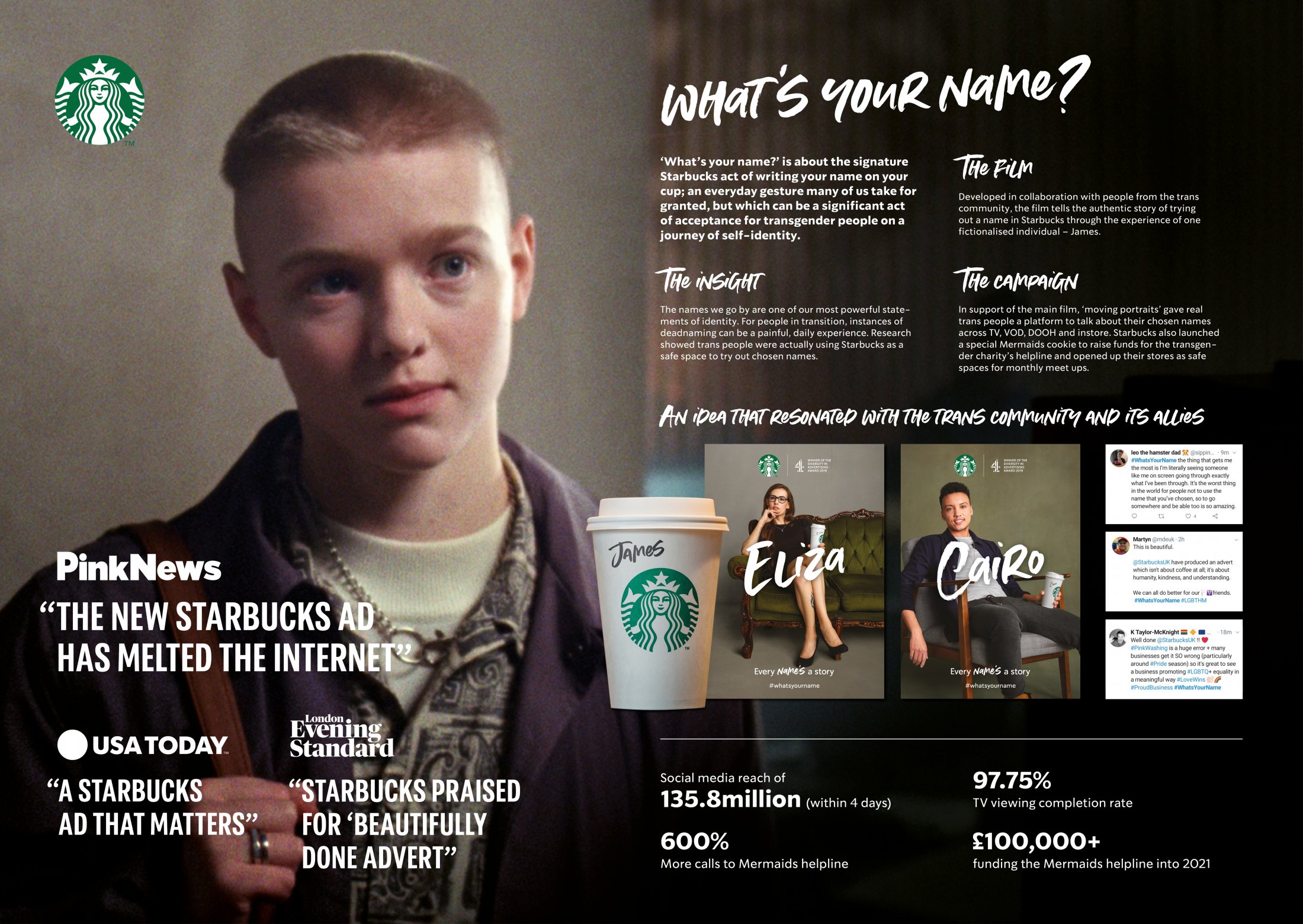
In 2019 Starbucks launched the 'What's Your Name?' Campaign. An emotive campaign which sensitively backed the transgender community and garnered international attention and won Channel 4's Diversity in Advertising Award.

(Campaign of the Week: Mastercard / True Name | Contagious, no date)

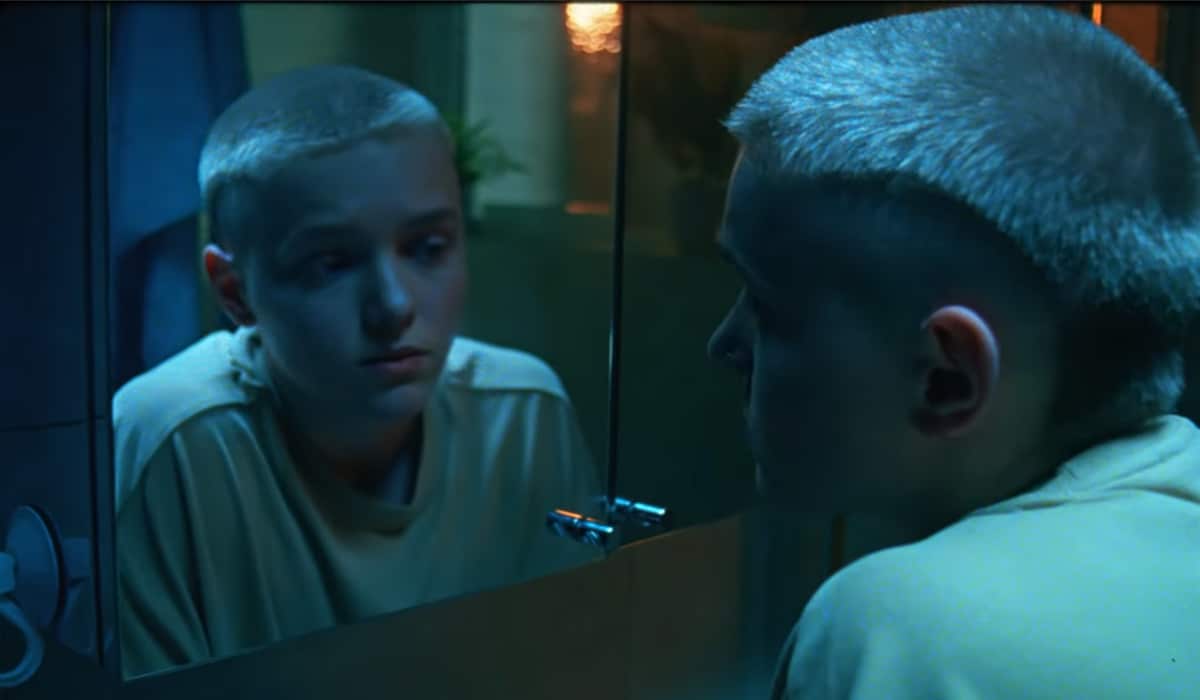
This was a campaign targeting the Gen-Z LGBTQ+ community, and starred James, a transgender boy who is constantly ‘deadnamed’ by those around him (being referred to by your birth name, as opposed to your chosen name). Customers of Starbucks suggested the concept behind the ad, with numerous transgender individuals contributing their own stories of trying out their new names in Starbucks outlets. The company noted on their website that these customers found the stores to be a secure environment in which their genuine identity was accepted. This demonstrates how Starbucks takes note of and truly appreciates its customers, something that is essential to make sure a campaign (and business) really has an impact, and an authenticity.
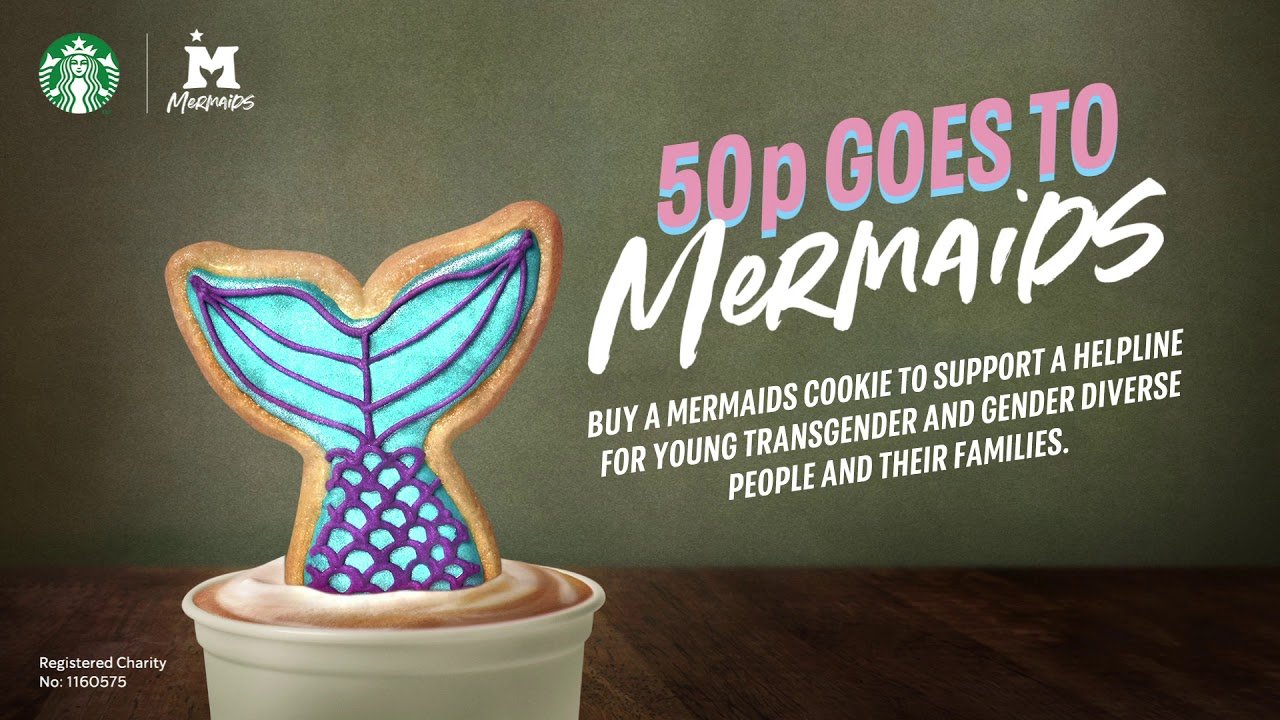
Furthermore, Starbucks joining forces with Mermaids, a non-profit organization aiding transgender youths. Starbucks sold mermaid cookies in their UK stores and gave the proceeds to the charity, lending weight to the idea that Starbucks had LGBTQ+ consumers at their heart.In the Mermaids site, numerous transgender young people discussed the 'What's Your Name' campaign, “Looking back 20 years you wouldn’t have something like [What’s Your Name]. Most trans people are scared of trying their name, like it’s frowned upon or you’ll get ‘found out’, so it’s really positive to know you can trial your name in that space and not be scared.” Another said: “I’ve kept the cup under my bed and I don’t want to throw it away. When I look at the cup I think of the happy feeling I got when I heard the person behind the counter say my name.”
The campaign took the stories they had received to form the story of the video in the campaign. The poignant video illustrates the hardships that a transgender person goes through while trying to accept their new identity. In the end, they can do so by participating in the well-known custom at Starbucks of asking customers for their name and writing it on the cup.
There have been a number of cause-related marketing campaigns, and some can backfire badly like the Kendall Jenner Pepsi advert for the #BLM Movement. Starbucks achieved success by strongly aligning with the cause. They took an element of their core unique customer service experience and applied it to an issue the LGBTQ+ community faced, thus creating a deep connection that can continue beyond the timeframe of the campaign.
Starbucks also took time to select a charity to partner with that was relevant and well regarded by the community they were targeting. This coupled with clear monetary objectives allowed them to work towards a set goal, achieve that goal, and report that back to the community as a success story.
Single Image
Single Image
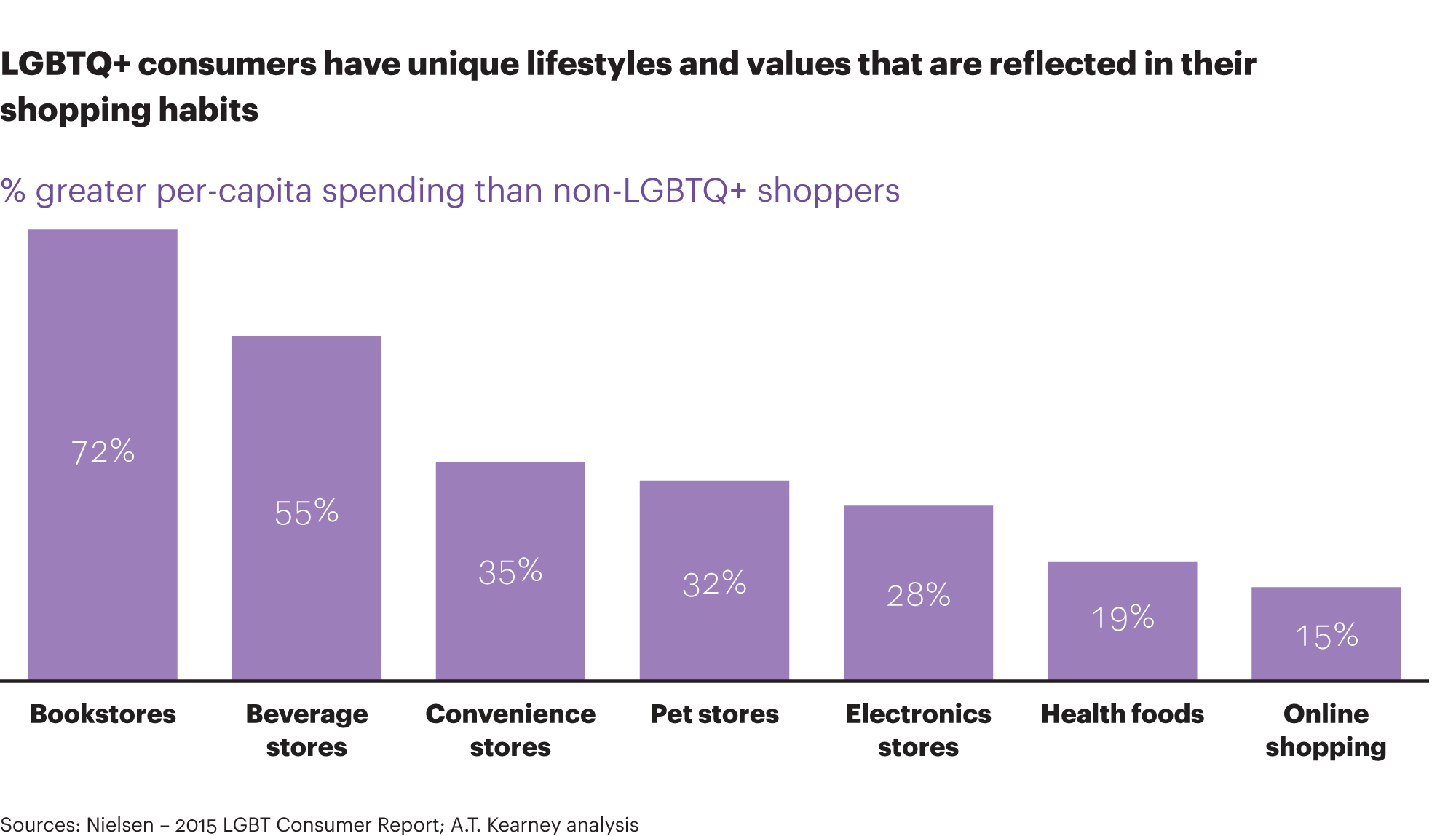
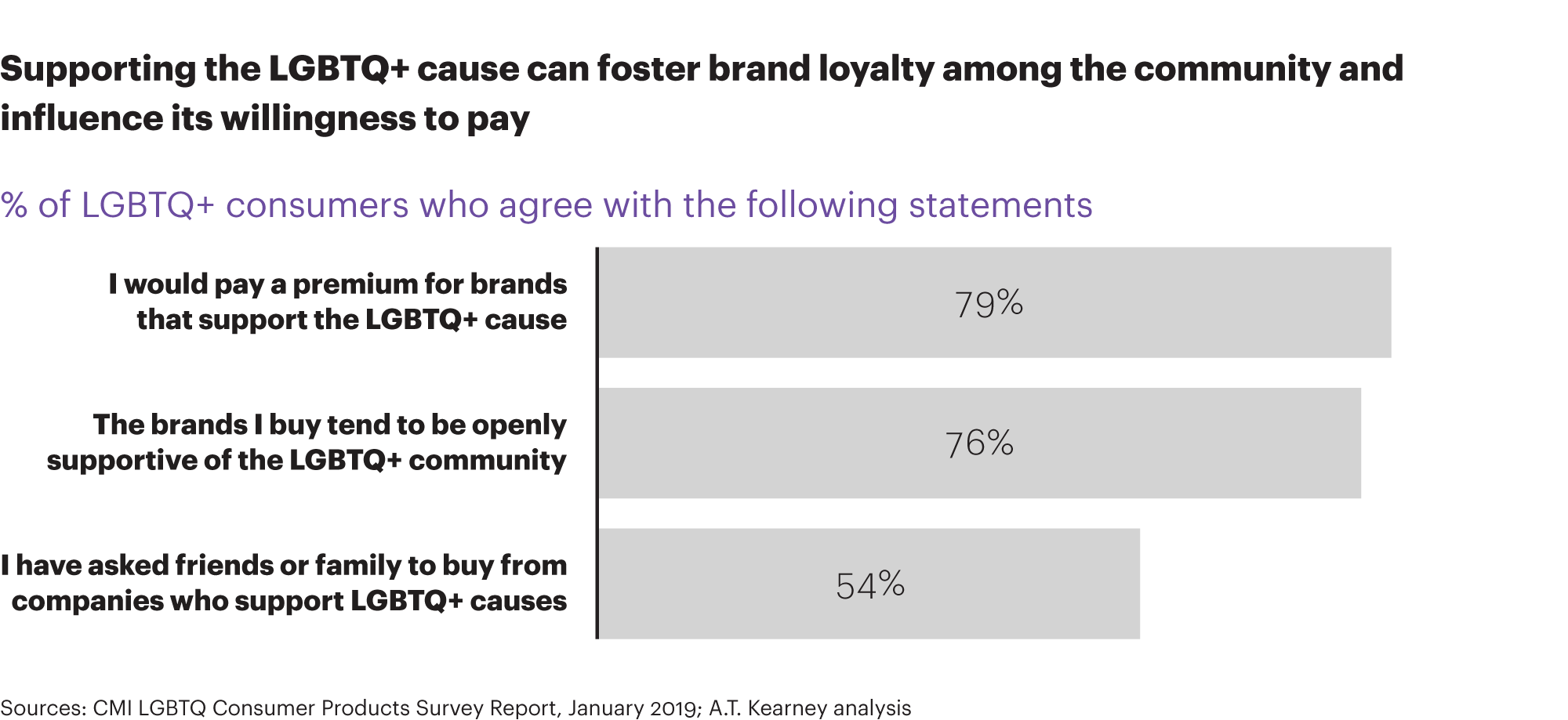
We can see that Starbucks has identified that a good number of LGBTQ+ consumers spending is focused towards beverage stores like Starbucks (Purchasing with pride what LGTBQ+ consumers demand from retailers and brands - Kearney, no date), with more disposable income than non-LGBTQ+ peers. In 2019 CMI conducted a survey asking US LGBTQ+ consumers about their behaviour and willingness to spend money with brands who support LGBTQ+ causes. An overwhelming majority of respondents felt they would pay a premium for brands that support LGBTQ+ causes,just as Starbuck in this campaign have done by supporting the Mermaids charity. Clearly aligning a brand in this way is an effective way to reaching the LGBTQ+ consumer.
Single Image

Starbucks, What's Your Name, 2020
Single Image

Starbucks, What's Your Name, 2020

Starbucks LGBT+ Channel 4 Diversity Award 2019 | Every name’s a story

Next Project Image
Next

Conclusion