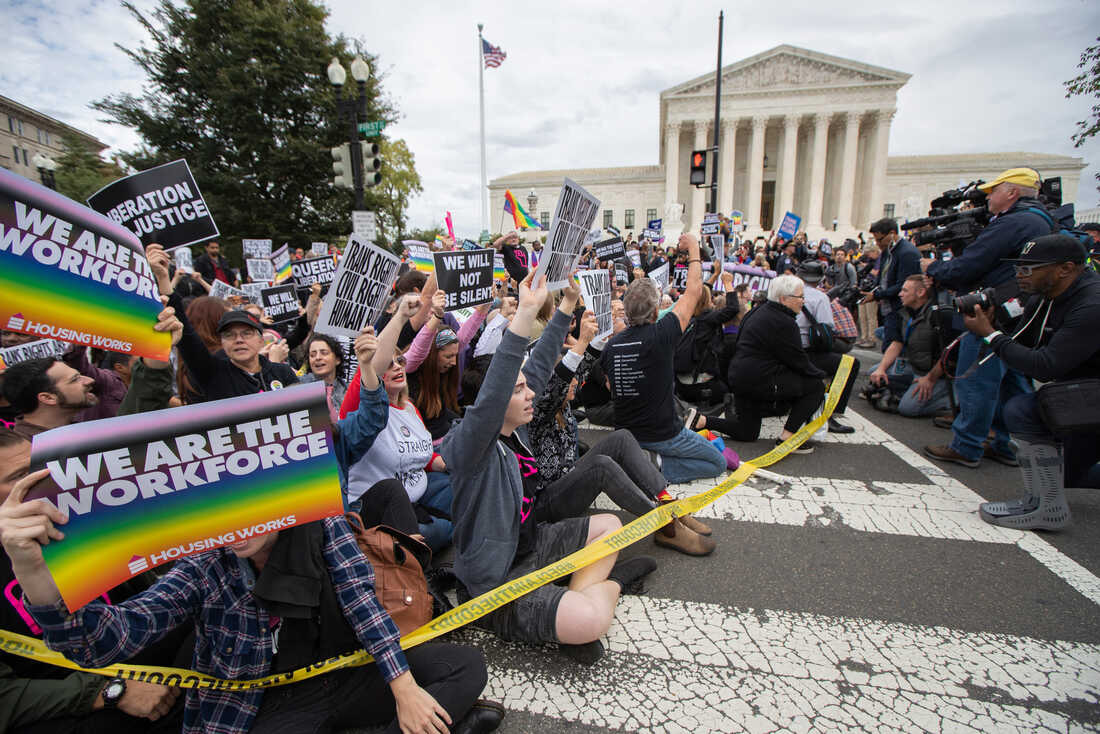
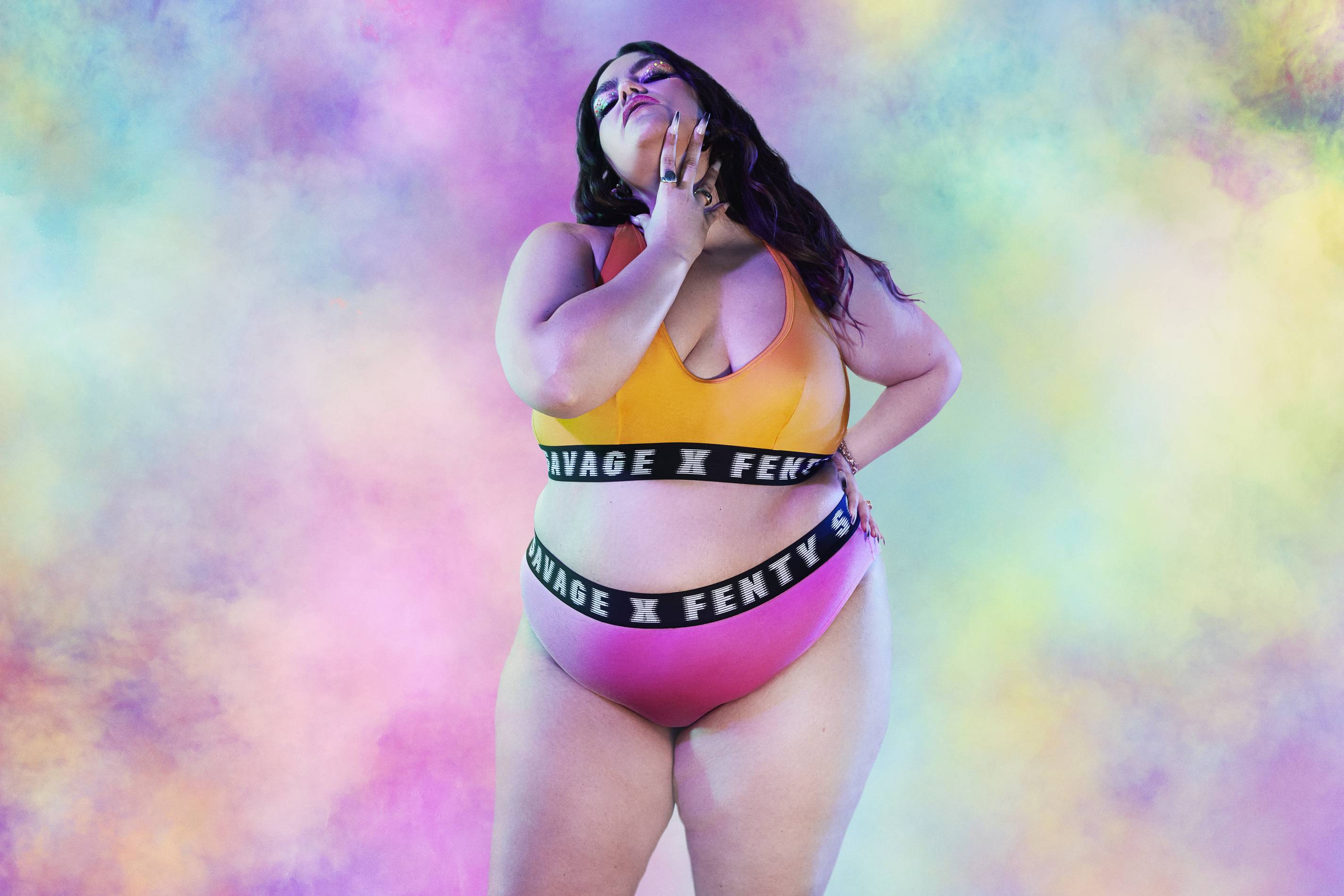
In Western societies, social groups that are subject to prejudice and discrimination such as LGBTQ+ people not only purchase products to express their identity or for their own satisfaction but also purchase them as a means of shielding themselves from, managing, or combating the stigma they face.
(Almost Equal: Consumption under Fragmented Stigma. - EBSCO, no date)
Within the LGBTQ+ community subgroups can be found with equally distinct consumption patterns and behaviour. In October 2022, Christian Eichert, and Marius Luedicke identified five such subgroups:
The Underground Social Group
This group consists of LGBTQ+ consumers who are denounced and oppressed by the majority of members of their society. Underground consumers are not allowed to exist openly, consume, or form local communities. This group will define their social group in concepts of victimhood, oppression, and self-disgust; in emotions of fear, guilt, and shame. This extend to ideas of ‘us versus them’ and belonging versus exclusion. LGBTQ+ consumers additionally anchor their social group in concepts of homophobia and preconceptions of ‘normal versus perverted’. (Almost Equal: Consumption under Fragmented Stigma. - EBSCO, no date)
Underground consumers follow consumer behaviours based around avoidance of brand offerings that cis-gender people would consider for the LGBTQ+ consumer such as products with rainbow branding. As a result their consumption patterns may seek to mask their true identity by purchasing products that are overtly heterosexual and binary in their marketing.(Coffin, 2018)
The Discreet Social Group
Those within the LGBTQ+ community who have been traditionally shunned and who live in communities with oppressive mindsets, yet have sufficient legal protection and general acceptance to live above-ground tend to form a Discreet Social Group.
These individuals may feel as though they are in a hostile environment, but they are united by their shared backgrounds including coming out stories, their experience with prejudice and homophobia/transphobia, and the fact that they were "born this way". (Almost Equal: Consumption under Fragmented Stigma. - EBSCO, no date)
This social group is held together not only by the sense of being persecuted but also by the notion of distinction, defiance and connection. Discreet Consumers are more likely to be emotionally tied to pride, relief and anger, than fear, shame and guilt.(Ghaziani, 2011)
Discreet consumers will tend to purchase products that proactively avoid and even punish brands that do not recognise LGBTQ+ consumers. They proudly express themselves through clothing and hairstyles that are not considered 'traditional', venerate prominent figures within the LGBTQ+ community such as Freddie Mercury, Ru Paul and Conchita Wurst, and partake in drag performances and Eurovision Song Contest celebrations as a way of expressing their distinctiveness to counter discrimination.
By taking advantage of their consumer decisions on a small scale, Discreet consumers are able to combat their subjugation inside their social system and in mainstream society.
The Hybrid Social Group
The Hybrid social group of LGBTQ+ consumers have typically experienced discrimination in the past but now reside in an environment of positive acceptance. They will view themselves as members of a mixed-identity society that are neither oppressed nor considered equal to those around them. Instead, they are viewed as ‘exotic others’. (Almost Equal: Consumption under Fragmented Stigma. - EBSCO, no date)
Hybrid consumers will ground their group in positive concepts of progress, innovation, cultural change, self-respect and political agency. They will seek the emotions associated with creativity, playful cultural expression and the enabling of human potential. The ‘us versus them’ mentality has given way to the idea of a new and exciting middle ground in between the traditional and the oppressed.(Ghaziani, 2011)
The Hybrid consumers consumption behaviour focuses on the notion of fusing ideas of masculinity, femininity, queer and straight. This manifests itself in interests in new and attention-grabbing combinations such as hosting weddings where traditional ceremony is mixed with shirtless male waiters and drag queens.
The Assimilated Social Group
People who have been judged negatively in the past and living in an area where social acceptance is the norm often consider themselves to be part of the same group are classed as an Assimilated Social Group. These individuals are generally accepted by their community as long as they don't attempt to fight or change societal norms. Like their mainstream peers, the assimilated consumers think that opposing societal norms is outdated, old-fashioned, and irritating.(Almost Equal: Consumption under Fragmented Stigma. - EBSCO, no date)
This group tend to define themselves by the ideas of heterosexual conventionality, adapting to the culture, and regarding (sexual) orientation as a personal matter rather than a political one. When engaging with the mainstream, the Assimilated Social Group, use purchasing strategically to break down disparities between homosexual and heterosexual buyers. This tactic is intended to blend in with the majority of society through mimicry, absorption, and compliance, while also rejecting hedonistic acting and partying.
The Assimilated Social Group will consume conservatively, seeking to emulate a heteronormative middle-class consumer.(Duggan, 2020)
The Post Stigma Social Group
The final subgroup are the Post Stigma Social Group. This group exists where negative stereotypes toward the LGBTQ+ community hold any power and are now part of a more modern society. The stigma which previously identified them as different and caused them to be subordinated, discriminated against and oppressed, has faded and they now feel fully accepted and respected by the people around them.
The Post Stigma consumer focuses on the notions of equality, diversity, mutual respect and individual freedom. The idea of ‘us versus them’ has given way to ‘us-and-them’
This group will use consumption as a way to show their uniqueness. This behaviour includes taking advantage of services or products within the LGBTQ+ market, such as gay bars, dance clubs, or dating apps for their practical or pleasure benefits, rather than for any sort of political purpose.
It should be noted that despite their relatively privileged position in society there is an ongoing aspect of vulnerability, in that they will be regarded as a different social group and their differences could be politicised again at any given moment.(Almost Equal: Consumption under Fragmented Stigma. - EBSCO, no date)