Mastercard

Case study of the True Name credit card

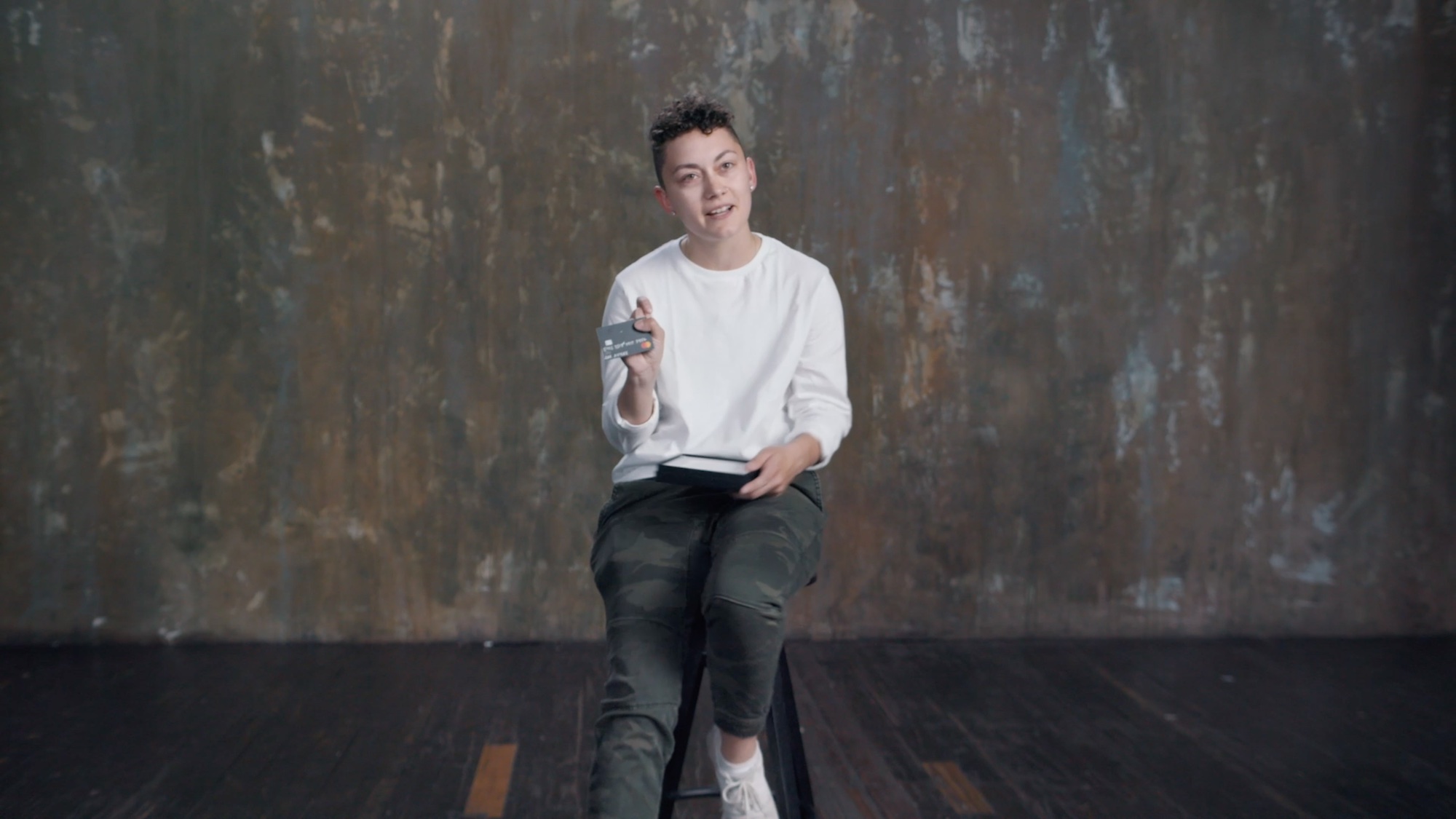
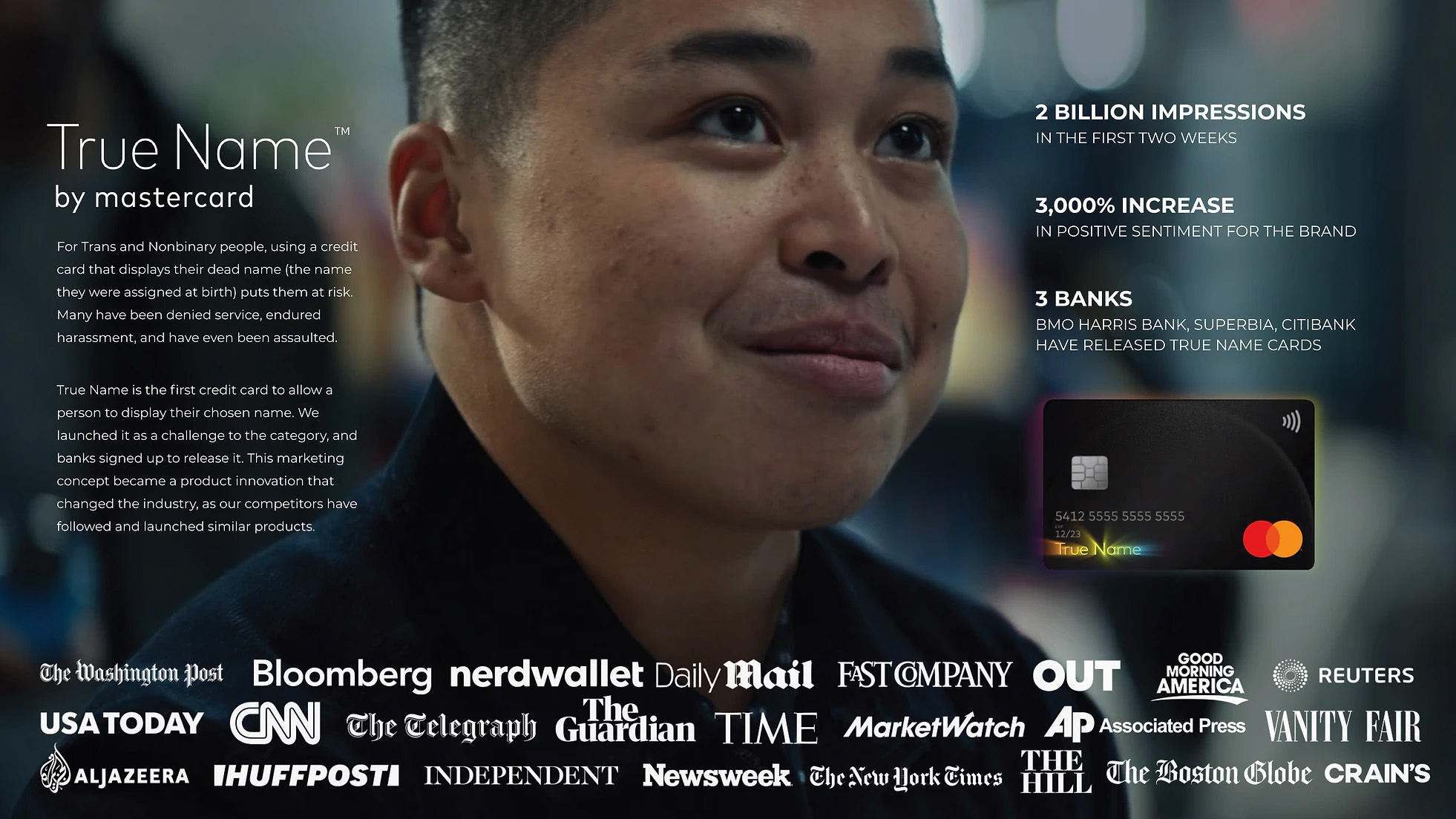
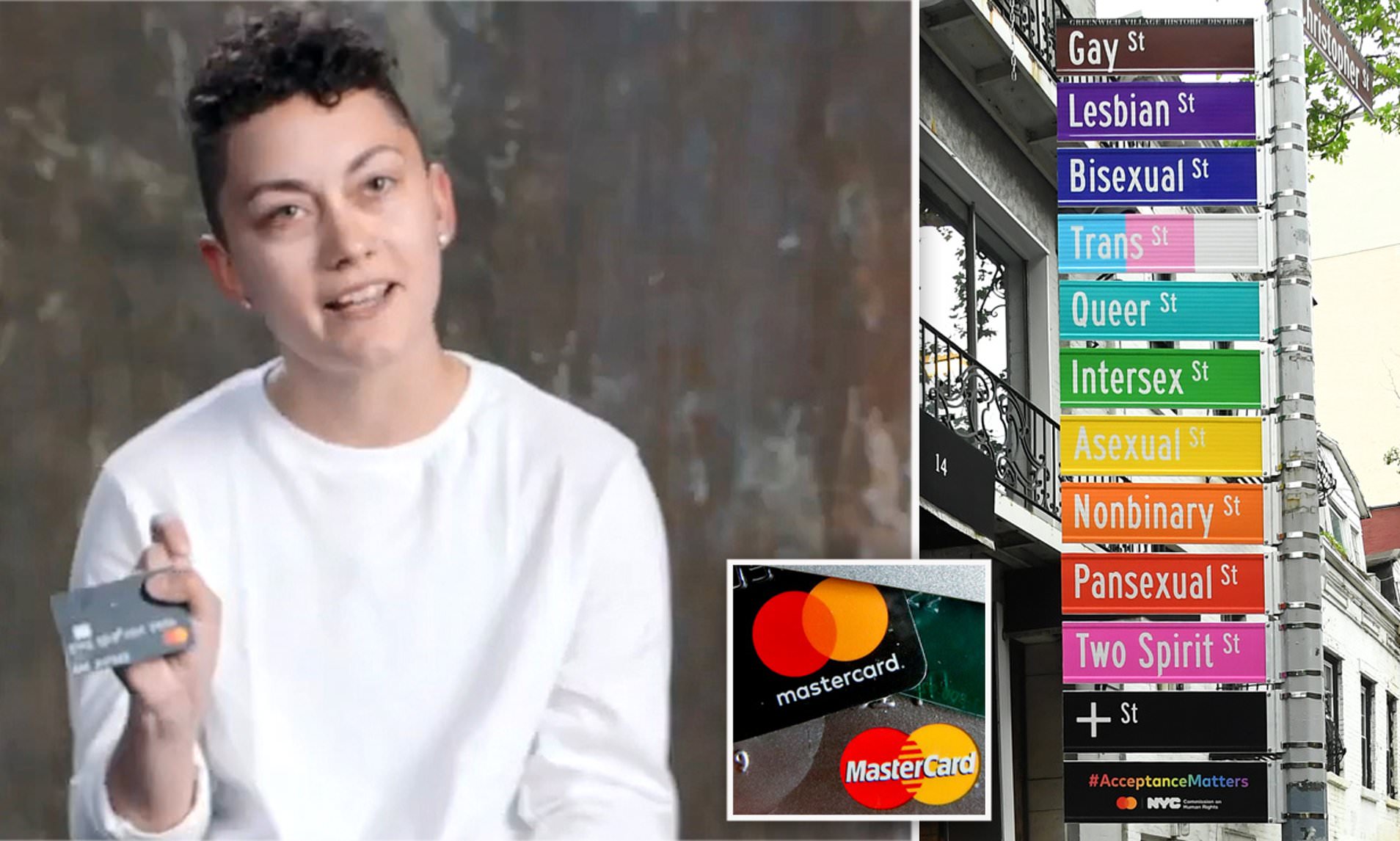
For many members of the LGBTQIA+ community, the names on their bank cards are not representative of their true identities, which can lead to humiliation, discrimination, and even physical harm. In 2019, Mastercard launched True Name, a feature that gives individuals the option to display their chosen name on the front of their cards. This was coordinated with a campaign based around the hashtag #AcceptanceMatters. During Pride month of 2019, they released a video featuring real people talking about their experiences of being mistreated due to their inconsistent identification documents. According to Mastercard, 32% of those who present IDs with a name or gender different from their appearance have reported being harassed, denied services, and/or attacked.


(Campaign of the Week: Mastercard / True Name | Contagious, 2019)

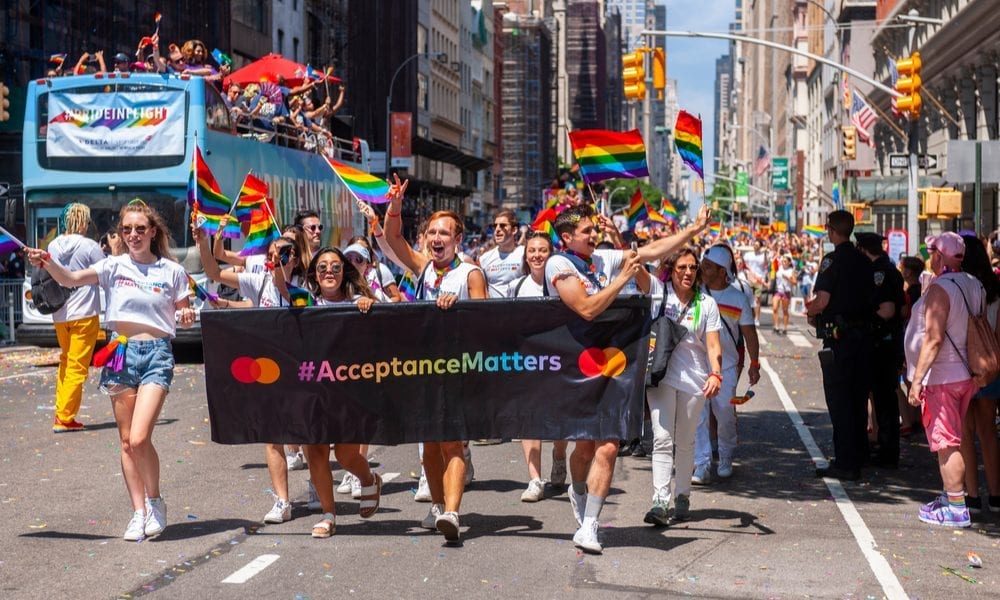
The organisation began the True Name card as a response to a challenge to the banking industry to make changes, and in 2021 Citi bank became the first bank to introduce the feature. Rather than launch a product without any substance, the True Name team carried out research before the campaign to ensure there were other perspectives besides their own. They attended the Pride parade with a video crew and talked to other trans and non-binary people. Those responsed reinforced the idea that this was needed. Every person he questioned said they would either Venmo their friends, pay in cash, or try to dodge the problem altogether when needing to use a card with the wrong name on it. Consequently, the Mastercard team made an emotionally moving video incorporating footage from these meetings to persuade the rest of the stakeholders at Mastercard.(Case study | Mastercard: True Name - World Federation of Advertisers, no date)
It is easy for companies to get it wrong when taking part in Pride events, by creating campaigns that can be seen as exploiting the LGBT+ community rather than benefitting them. "It is important for companies to do more than just display visibility and show a genuine commitment to the LGBT+ community" - Jeff Ingold, from Stonewall UK. Mastercard did more than just create a rainbow-coloured debit card. It found a way to interact meaningfully and come up with a solution to an issue that the LGBT+ community face, which only it could provide.
To prevent scams, it is very difficult to alter the name on a bank card. On a practical level True Name lessens the paperwork and expenses associated with the process. Furthermore, individuals don't have to explain or defend their decision to alter the name. For instance, customers can ask to make a change in the store or over the phone. The card name may be different from the legal name but the account remains unchanged. Moreover, people can obtain True Name cards without declaring themselves as transgender, gender non-conforming, or non-binary. (Case study | Mastercard: True Name - World Federation of Advertisers, no date).
One of the key advantages Mastercard has is their powerful brand. They can leverage brand personality traits (Aaker 1997) to influence LGBTQ+ consumers. In this instance the trait of sincerity of intent is adopted. One of the other interesting factors in this campaign is it gives humanity to a multi-national banking corporation. Using notions of mindfulness, it has shifted Mastercards perception in the mind of the LGBTQ+ consumer from agnostic and corporate institution to one that has a soul (Balmer & Soenen 1999) and cares for its customers in a meaningful way.
Single Image

(Kapferer, 2009)

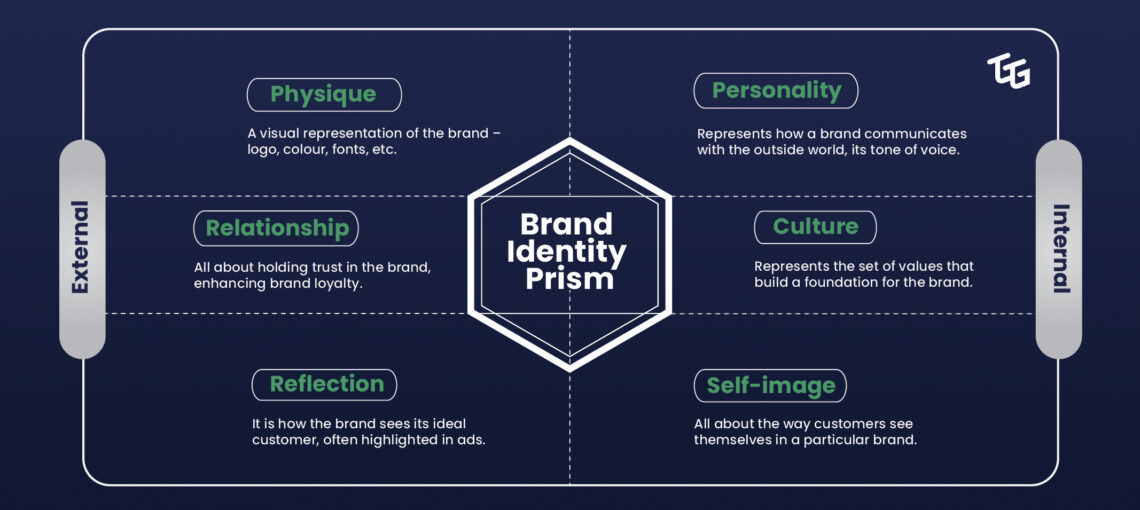
Jean-Noel Kapferer, introduced this hexagonal prism model that utilises six distinct characteristics of the brand to achieve brand success. Looking at Mastercard True Name through this prism we can see that its Physique (logo, colours, fonts etc) are incredibly strong, and highly recognisable. With its Personality, or company voice, we notice that it has changed slightly in this campaign by adding on layers of thoughtfulness and understanding to its core message of competence and trustworthiness.
Culture is the way the brand interacts witj the world around them. In this campaign Mastercard have chosen to consult and talk to the community directly and engage on a human level first, and broadcast their intent only after learning what the LGBTQ+ consumer needed of them first. True Name reported a 3000% increase in positive brand sentiment in the first two weeks of launching the product.(Case study | Mastercard: True Name - World Federation of Advertisers, no date)
On the hexagonal prism, Relationship is developed through interactions with current and potential clients. The brand was able to use these positive interviews with the community to highlight their collaborative business model for this campaign.
Reflection and Self-Image are similar in that Mastercard will want their consumers values reflected in their branding. Mastercard in addition were able to demonstrate a pride in their own ability to recongnise and understand this section of their consumers needs.
Single Image

Mastercard True Name, 2021
Single Image

Mastercard True Name, 2021

Single Image

Mastercard True Name, 2021

Mastercard True Name, 2021
Next Project Image
Next

Starbucks