This investigation will explore the current state of LGBTQ+ marketing, its innovations and reactions in consumer behaviour and an attempt to understand how decisions about spending limited resources such as time, effort and money are made towards key purchase decisions.
Can brands generate meaningful relationships with the LGBTQ+ community, or are they limited in how they will be perceived by the community? In this investigation we will examine the social groups of the community to better understand the purchasing mindset
First it is useful to briefly define what we mean by LGBTQ+ and to mention the key moments in LGBTQ+ marketing that have led to the consumer environment of today.
The term LGBTQ+ as the current umbrella phrase for Lesbian, Gay, Bisexual, Transgender and Queer. The "+" at the end symbolises inclusivity of other sexual orientations or gender identities that are not cisgender or heterosexual. This term is constantly changing and adapting as our understanding of the community improves. (List of LGBTQ+ terms, no date)
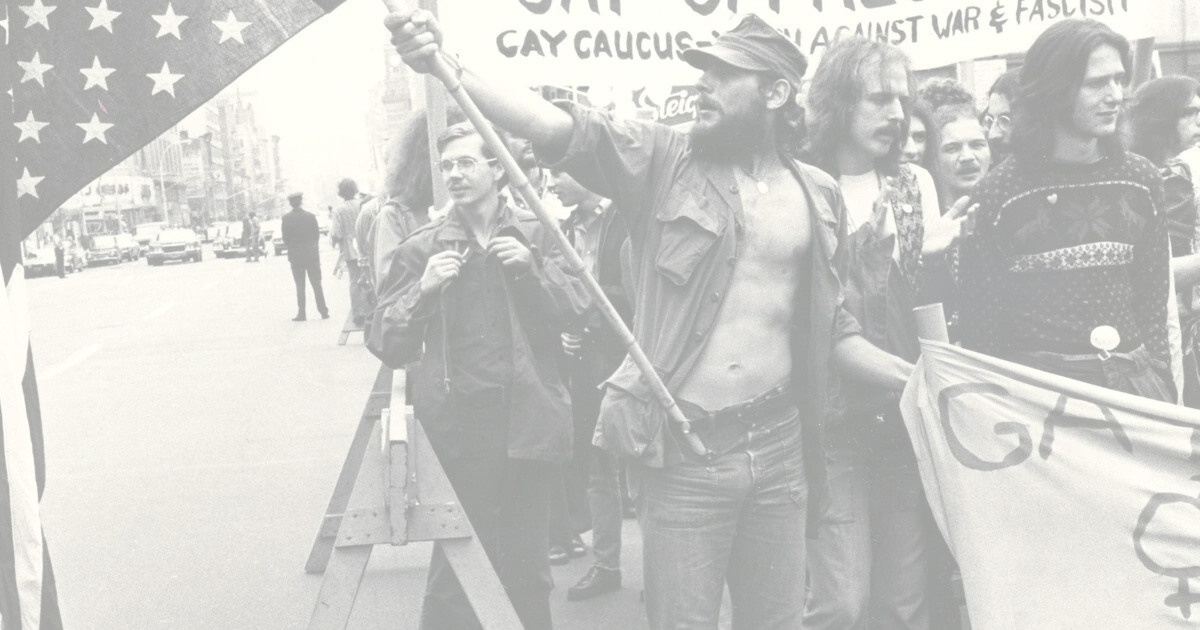
Protesters in the aftermath of the Stonewall riots - 1969,
Leonard Fink
The 20th Century
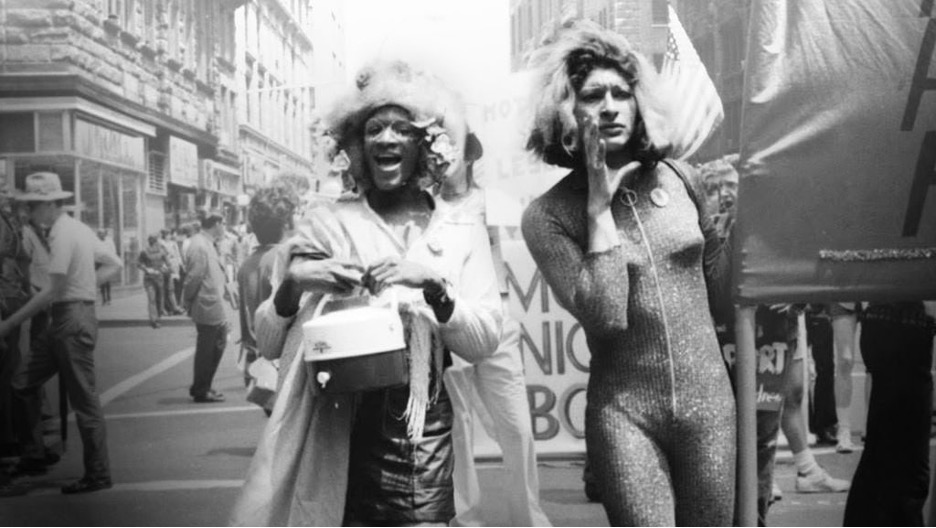
LGBTQ+ rights entered the public consciousness in the West with the Stonewall Riots at the Stonewall Inn in New York City in 1969 . Yet it wasn’t until the 1980’s that brands begun marketing directly to the LGBTQ+ community. (The Stonewall uprising: 50 years of LGBT history, no date)
With the rise of AIDS and HIV it was seen as a daring or risky move for any brand to express support for the LGBTQ+ community, with an atmosphere of judgement and discrimination particularly towards the gay community widespread. Even in this harsh environment some brands pioneered the way in LGBTQ+ marketing, such as the vodka brand, Absolut, in 1981 with their campaign in US based gay magazine, The Advocate (Absolut Heralds Its Marketing to Gay Consumers - The New York Times, no date). They created an advert featuring the artwork of Keith Haring, a gay artist and AIDS advocate. To the majority of people, the ad simply showcased the work of a little-known artist, however, it was a significant indication of the brand's backing of the LGBTQ+ group that was understood by the gay audience. (Rainbow Road: The Secret History of Advertising to LGBTQ+ Consumers | SXM Media, no date)
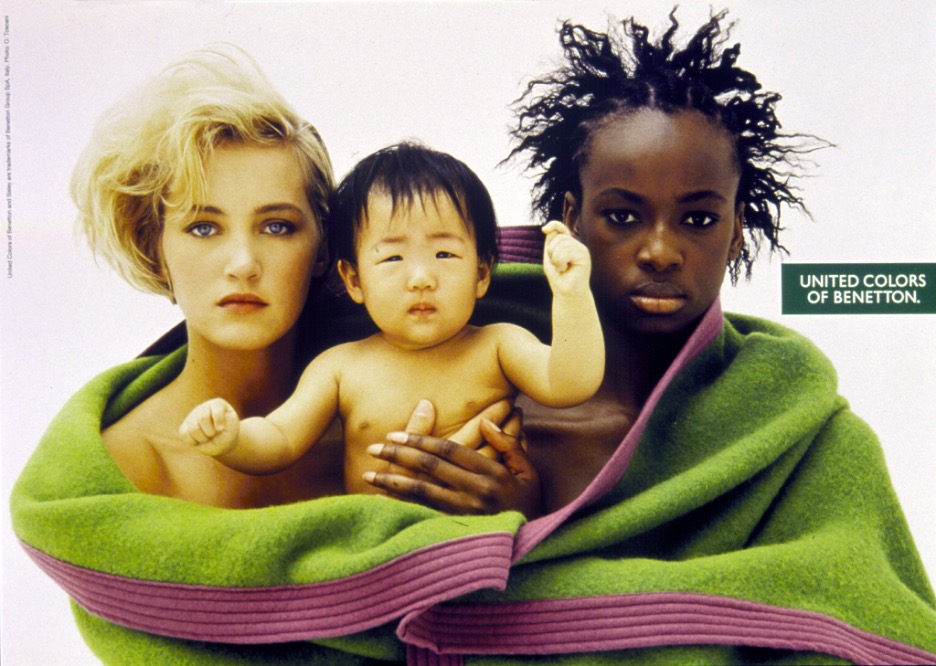
As we moved forwards, more and more brands made efforts to engage with the LGBTQ+ community, with Benetton’s “United Colours of Benetton” campaign featuring the first representation of lesbians in any mainstream advertisements (Benetton | Marketing the Rainbow, no date), IKEA in the mid 1990’s shifted the tone again by featuring a gay couple on a US national TV advertisement. They were portrayed as every-day people rather than being remarkable for being gay. After this campaign IKEA faced boycotts and bomb threats, showing that acceptance was still significantly less than anticipated.(IKEA | Marketing the Rainbow, no date) In more recent times, we see a different marketing ecosystem with LGBTQ+ consumers at least considered as sizeable audience to be considered by brands in LGBTQ+ friendly countries. As Pride month begins every June, many companies launch campaigns to reach out to the LGBTQ+ community and its supporters. (Morhart et al., 2013)
IKEA Advertisement, Dining Room Table - 1994
The early 2000's
By the early 2000’s there was the risk of severe backlash from the the LGBTQ+ community for attempting to market to them without proper understanding.
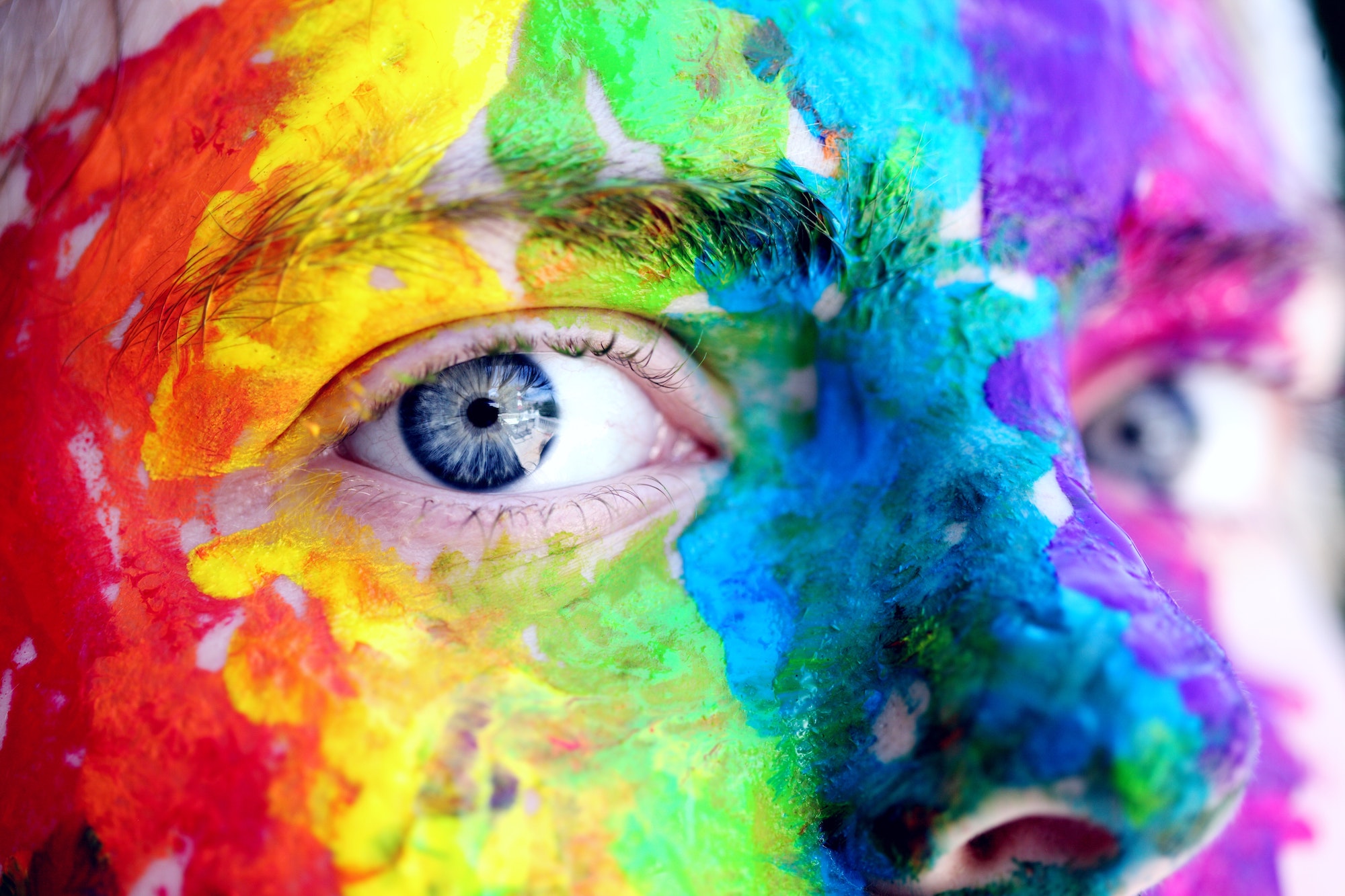
During this time stories tended to focus on upper-class and white gay identities and rarely people of colour. Transgender people were represented negatively relying on transphobic stereotypes of mistaken identity. Companies attempting to seize this segment of the market headed up a trend known as "rainbow washing". This involved (and continues to do so) brands use of language and symbols of the LGBTQ+ movement as a superficial part of their marketing strategy. It can seem a pragmatic approach to target a new audience, but at its worst, it can become a way for companies to hide their less tolerant practices. In 2018, telecoms company, AT&T, declared with much ceremony during Pride Month that it had donated a million dollars to The Trevor Project, but that same year, it gave nearly three million dollars to anti-LGBTQ+ politicians.(Rainbow Road: The Secret History of Advertising to LGBTQ+ Consumers | SXM Media, no date)
Moving forward...
By the early 2000’s there was the risk of severe backlash from the the LGBTQ+ community for attempting to market to them without proper understanding.
During this time stories tended to focus on upper-class and white gay identities and rarely people of colour. Transgender people were represented negatively relying on transphobic stereotypes of mistaken identity. Companies attempting to seize this segment of the market headed up a trend known as "rainbow washing". This involved (and continues to do so) brands use of language and symbols of the LGBTQ+ movement as a superficial part of their marketing strategy. It can seem a pragmatic approach to target a new audience, but at its worst, it can become a way for companies to hide their less tolerant practices. In 2018, telecoms company, AT&T, declared with much ceremony during Pride Month that it had donated a million dollars to The Trevor Project, but that same year, it gave nearly three million dollars to anti-LGBTQ+ politicians.(Rainbow Road: The Secret History of Advertising to LGBTQ+ Consumers | SXM Media, no date)